
Understanding Texas Bail Reform: A Comprehensive Guide for Criminal Defendants
Overview
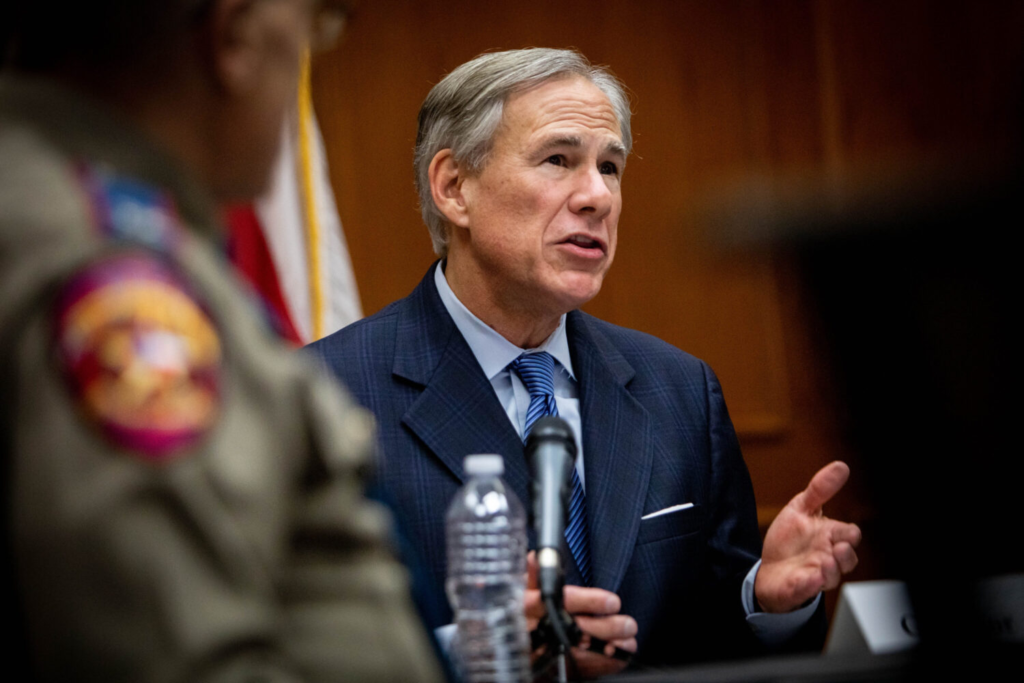
In June 2025, Texas Governor Greg Abbott signed multiple bills aimed at reforming bail procedures across the state, marking a significant shift in the criminal justice landscape. These legislative measures, including Senate Bill 9 and Senate Joint Resolution 5, have sparked intense debate among lawmakers, legal experts, and the public. Accordingly, this guide aims to provide a comprehensive overview of the Texas bail reform, highlighting what these changes mean for criminal defendants across the state.
Key Legislation
Senate Bill 9
Senate Bill 9, which garnered bipartisan support, introduces stringent requirements pertaining to bail eligibility. Specifically, the bill mandates:
- Magistrate judges must deny bail to individuals accused of:
- Murder, including capital murder
- Aggravated kidnapping
- Aggravated sexual assault, among others
- Denial of bail to defendants who:
- Are charged with another felony while already out on bail
- Have federal immigration detainers
- Have been previously convicted of two or more felonies
However, district court judges still retain discretion over bail decisions with a provision allowing prosecutors to appeal judges’ decisions regarding bail grants.
Senate Joint Resolution 5
This resolution proposes a constitutional amendment, allowing judges to deny bail to persons accused of severe crimes such as murder and certain types of aggravated assaults. Notably, this will be put to voters during the November elections, making public engagement crucial in the decision-making process.
Additional Bills
- Senate Bill 40: Prohibits the use of public funds for bail payments.
- House Bill 75: Expands bail restrictions, requiring magistrate judges to state findings within 24 hours when determining there’s no probable cause.
The Debate: Supporters vs. Opponents
Support Arguments
Proponents of the Texas bail reform argue that stricter bail laws are essential for enhancing public safety. By preventing repeat offenders and individuals with serious charges from easily returning to the streets, they aim to reduce crime and enhance community security. Governor Abbott emphasized this need by highlighting a history of dangerous individuals being released on bail, only to re-offend shortly afterward. Consequently, the reforms are seen as crucial in breaking a perceived “revolving door” in the criminal justice system.
Opposition Arguments
Conversely, critics, including the American Civil Liberties Union (ACLU) of Texas, argue that these reforms infringe upon constitutional rights and disproportionately affect economically disadvantaged individuals. They contend that the use of cash bail can unduly punish poverty rather than ensure justice. Nick Hudson from the ACLU described the legislation as a regression in Texans’ rights, warning against using vague criteria to deny bail and the increased dependency on cash bail systems.
Historical Context and Public Response
Historical Context
The push for bail reform in Texas gained momentum in 2018 following several high-profile cases involving suspects committing crimes while out on bail. These incidents contributed significantly to the public and political drive for legislative change.
Public Response
Public opinion on the Texas bail reform has been notably divided, with strong views on both sides. While supporters herald the legislation as overdue for enhancing safety, critics have vocalized their concerns through different advocacy channels and potential legal challenges.
Resources
For more information on Texas bail reform and the discussions surrounding these new laws, explore the following resources:
- ACLU, Criminal Justice Advocates Decry Bail Reform Legislation Backed by Gov. Abbott
Learn about the specific changes brought by Senate Bill 9 and the concerns raised by civil rights entities.
Read Here - Bail Constitutional Amendment Resources – Texas – Right On Crime
This resource delves into the impacts of the constitutional amendment proposed by Senate Joint Resolution 5.
Read Here - Stricter Bail Rules Approved by Texas Legislature | The Texas Tribune
Explore broader public and legislative responses to the bail reforms being enacted across Texas.
Read Here
As Texas bail reform unfolds, understanding its implications will be crucial for defendants, legal advisors, and other stakeholders within the state’s criminal justice system. Hence, staying informed and seeking legal advice if these new laws impact your case or situation is imperative.