
Understanding the Case of Sigfredo Alvarez Ceja: Insights into an Alleged Homophobic Hate Crime
The murder of Jonathan Joss, an actor famously known as the voice of John Redcorn in the animated series ‘King of the Hill,’ has cast light upon critical social issues—particularly the impact of homophobic violence. Sigfredo Alvarez Ceja stands accused of this heinous act, which many suspect was motivated by homophobia. This article seeks to delve into the details surrounding Jonathan Joss’ death, focusing on Sigfredo Alvarez Ceja and the broader implications for issues related to hate crimes, homophobia, and the responsibilities of law enforcement.
The Tragic Incident: Facts and Allegations
What Happened on the Day of the Crime?
On a Sunday in San Antonio, Texas, Jonathan Joss was shot and killed, reportedly during an altercation with his neighbor, Sigfredo Alvarez Ceja. The suspect was identified shortly afterward, apprehended not far from the scene, and subsequently charged with first-degree felony murder, with a bond set at $200,000.
Historical Context of the Incident
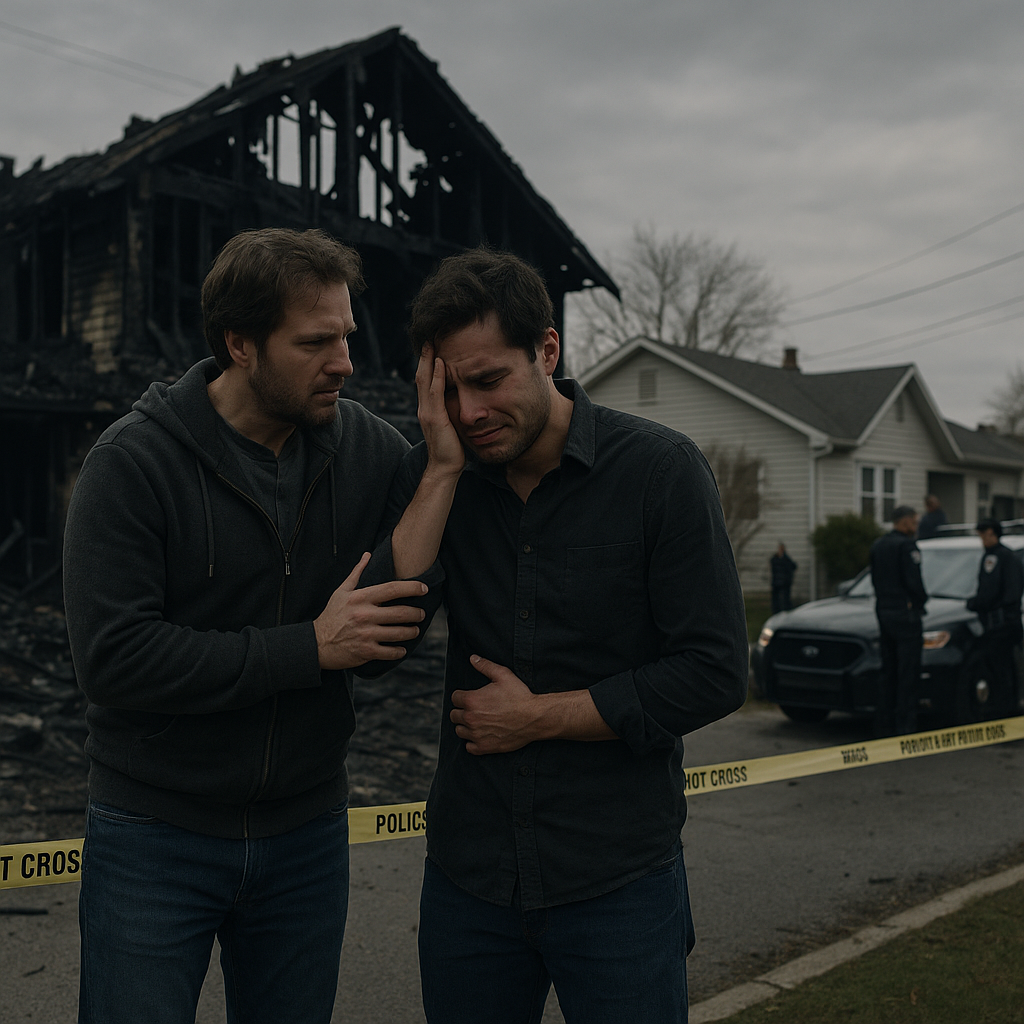
According to statements from Joss’ husband, Tristan Kern de Gonzales, the couple had been the target of persistent harassment and threats, believed to be fueled by homophobia. A particularly traumatic event occurred earlier in the year when a fire destroyed their home, also claiming the lives of their pet dogs. The couple had consistently reported these threats to the authorities, receiving little proactive response.
On the tragic Sunday, Joss and his husband had returned to the site to collect a victim’s fund check related to the fire. There, they discovered the remains of one of their lost pets, causing emotional distress. During this time, Ceja reportedly approached them, shouting homophobic slurs before allegedly opening fire.
Motivations and Charges
While Ceja faces charges of first-degree murder, the underlying motivations ascribed, notably homophobia, reflect deep societal issues concerning violence against the LGBTQ+ community. Tristan’s account vividly portrays this as a hate crime, fueled by a disdain for their relationship.
Broader Social Implications
Homophobia and Violence in the LGBTQ+ Community
The case against Sigfredo Alvarez Ceja exemplifies the continued prevalence of homophobic attitudes, which can escalate into violent acts. Studies, such as those by Lavietes and others, document the alarming frequency of such disputes that are seemingly trivial but often stem from entrenched biases.
- Reference: Lavietes, M., Thompson, P., and Kakouris, C. “Slurs, 911 calls and a crossbow: Records detail neighborhood disputes before Jonathan Joss’ killing,” NBC News. Read More
Perceived Inaction by Law Enforcement
The couple’s reports to law enforcement underline another critical aspect of this tragedy: the perceived failure of authorities to adequately address recurrent threats. This perceived inaction might foster a sense of vulnerability and helplessness among victims, compounding the trauma of harassment.
- Reference: Donovan, C., Macdonald, S., and Clayton, J. “Re-Conceptualising Repeat Reports of Hate Crime/Incidents as Hate Relationships Based on Coercive Control and Space for Action,” Durham University. Read More
Situational Variables and Anti-LGBTQ+ Hate
The case of Sigfredo Alvarez Ceja illustrates how situational variables can significantly influence the dynamics of crime, particularly those driven by hate. Factors such as neighborhood dynamics, the visibility of LGBTQ+ relationships, and the broader socio-political climate often play roles in these events.
- Reference: Kehoe, J. “Anti-LGBTQ Hate: An Analysis of Situational Variables,” Gonzaga Law Review. Read More
Conclusion
The murder of Jonathan Joss is a solemn reminder of the pervasive, often violent bias faced by the LGBTQ+ community. It urges a re-examination of the societal and institutional responses to such hate crimes, emphasizing the necessity for robust protective measures and vigilant enforcement of justice. This also calls for a broader cultural shift towards understanding and accepting the diverse tapestries of human identity and love.
Resources
For those interested in exploring this topic further, these sources provide detailed analyses and insights:
- Anti-LGBTQ Hate: An Analysis of Situational Variables – Examines the situational factors affecting LGBTQ+-related hate crimes. Read Here
- Re-Conceptualising Repeat Reports of Hate Crime/Incidents – Discusses the impact of perceived law enforcement inaction on repeated hate crime incidents. Read Here
- Slurs, 911 calls, and a crossbow – Details the neighborhood disputes leading to Jonathan Joss’ tragic killing. Read Here
It’s essential to continue raising awareness and advocating for change to foster safer environments for all individuals, regardless of their sexual orientation or identity.